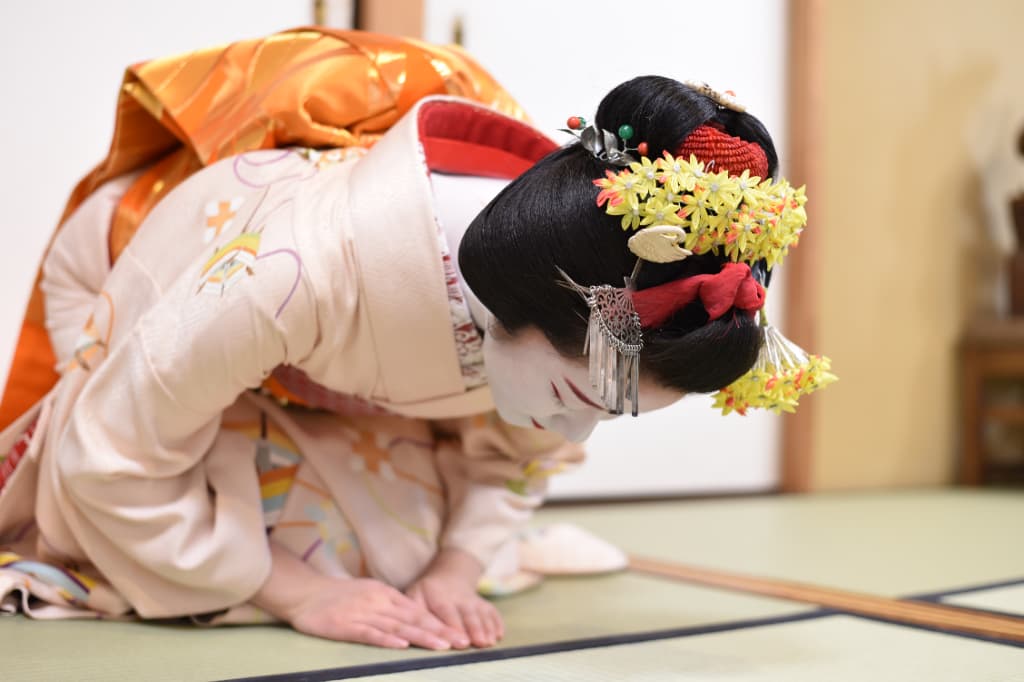
An Invitation to the Art of Etiquette From Gion, Kyoto Tomoe Co., Ltd. is honored to present a refined program of Omotenashi and traditional etiquette, held from February 7 to February 15, 2026. Rooted in the timeless culture of Kyoto’s Gion district, this exclusive course offers a quiet yet profound exploration of etiquette—not merely as form, but as an art that embodies grace, respect, and inner harmony.
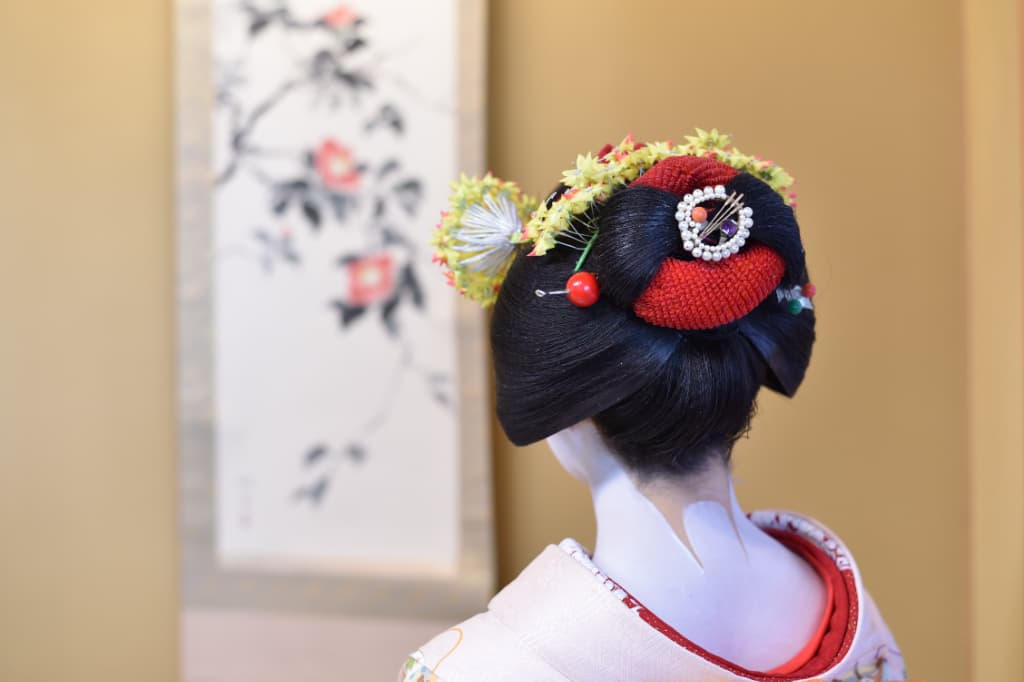
Date and Time
■February 7–8 (up to 10 people)
10:00 AM~
11:00 AM~
12:30 PM–
1:30 PM~
3:00 PM~
■February 14–15 (Up to 10 people)
10:00 AM~
11:00 AM~
12:30 PM–
1:30 PM~
3:00 PM~
Location
JACCC (Japan-America Cultural Center) Tea Room
same-day tickets
Yes
Details
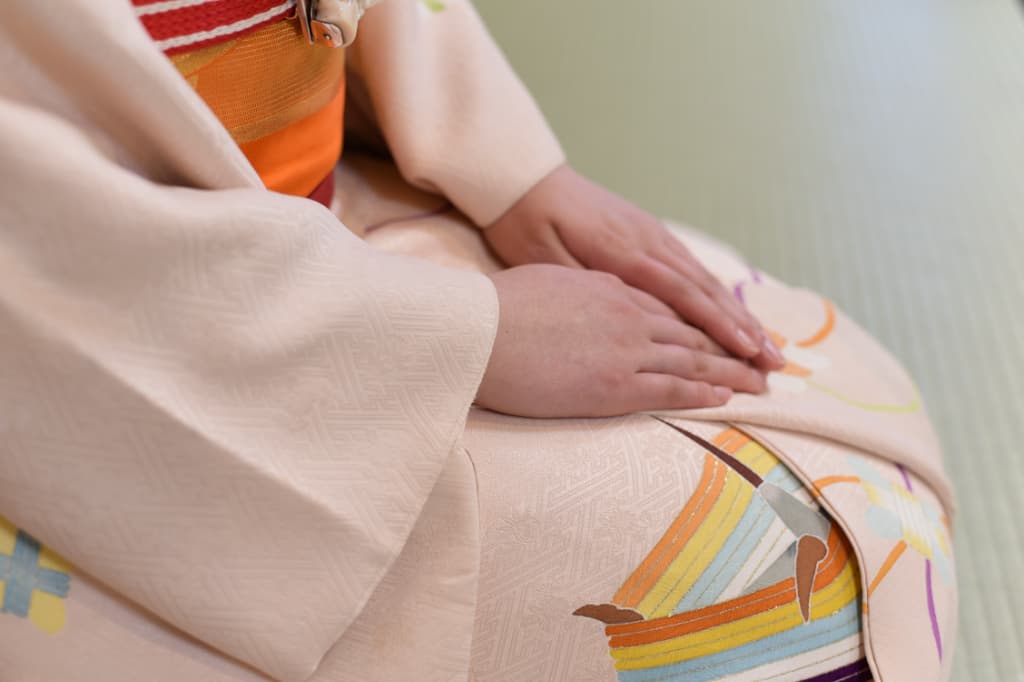
Visual recognition and familiarity is not enough to truly understand the beauty of the culture of Kyoto. Indeed, seeing does not equal understanding. The beauty of true Kyoto-style etiquette reveals itself only through the movement of your hands, the shifts in your posture, and the sensual perceptions and sensations of your body. This program is not a lesson in strict or antiquated rules. It is an experience where anyone, even a complete beginner, may discover the hospitality, consideration, and graceful movements that Japan has cherished and nurtured for centuries. To remain unaware of these subtleties would truly be regrettable. With just a few gentle insights, Japanese culture can become a lifelong source of depth and fascination.
Why This Program Is Exceptional Your instructor is the only etiquette teacher in Japan who has guided proprietresses and cultural leaders in Gion, the pinnacle of Kyoto’s thousand-year tradition of refined hospitality. (Gion: Kyoto’s historic district where Japan’s highest standards of hospitality are preserved.) She is also one of the extremely few individuals granted permission to teach inside the private tea room of Ogata Kōrin at Ninnaji Temple, a UNESCO World Heritage Site founded by Japan’s imperial lineage and long overseen by the imperial monks of the monzeki tradition. This inviolable space is seldom opened for viewing, let alone use. (Ogata Kōrin: A celebrated 17th-century artist whose tea room has been designated as an Important Cultural Treasure.) The teaching session will follow an original textbook of etiquette available exclusively through this program.
A Message to All Participants Many visitors to Japan have expressed the desire to understand Japan more deeply, but are stymied be the inability to know where to begin.
The answer awaits you here. The experience and understanding gained here far transcends sightseeing, or anything else previously made available. Through doing, you will naturally come to understand why the people of Kyoto have long valued respect, grace, and quiet subtlety. A single posture, the placement of a folding fan... each movement, each gesture becomes a way to feel, and appreciate Kyoto with your entire being.
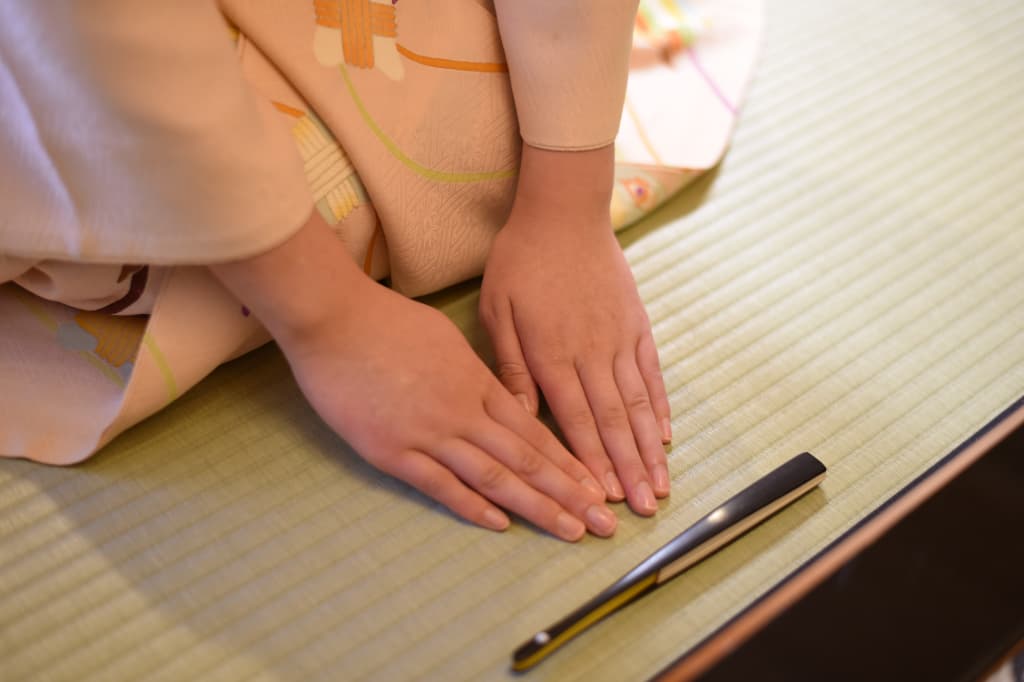
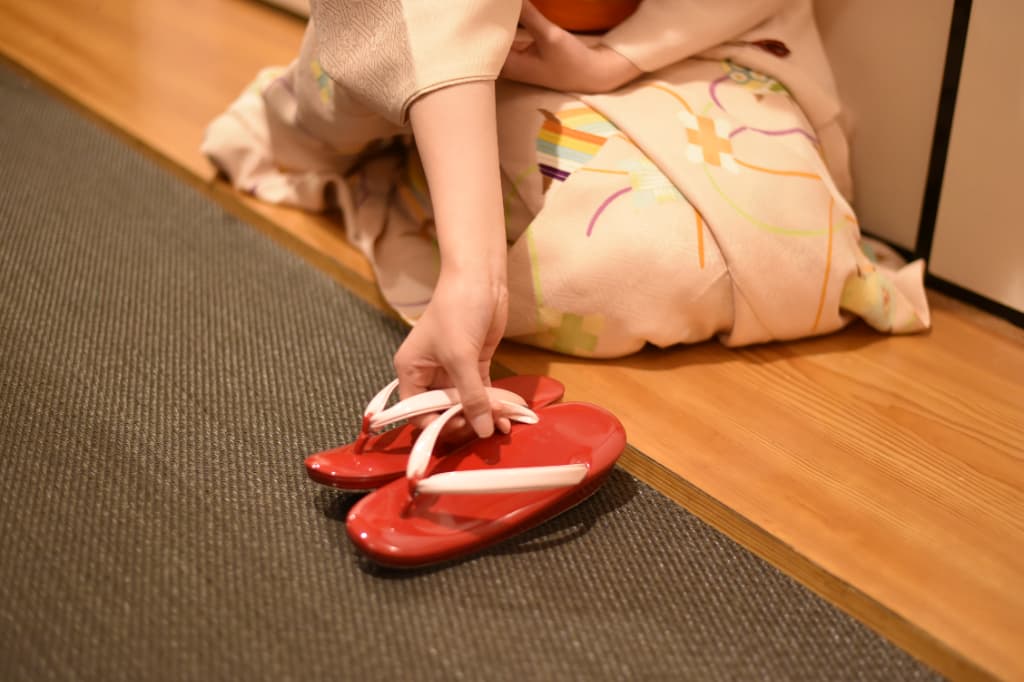
What You Will Experience ✔ How to enter a Room with Grace A single, intentional step can express refinement and beauty.
✔ The Folding Fan (Sensu) A fan is not a device for cooling. It is a symbol of respect once used by the samurai and court nobles to convey greetings and express the subtle boundaries between individuals. (In Japanese culture, "boundaries" refer to invisible social lines that express courtesy and distance.)
✔ How to Use a Folding Fan
A symbol of respect used by samurai and court nobles. The folding fan is not merely a tool for fanning.
Originally, it is a symbol of "respect and courtesy." Furthermore, the folding fan is fundamentally a tool for indicating greetings and boundaries.
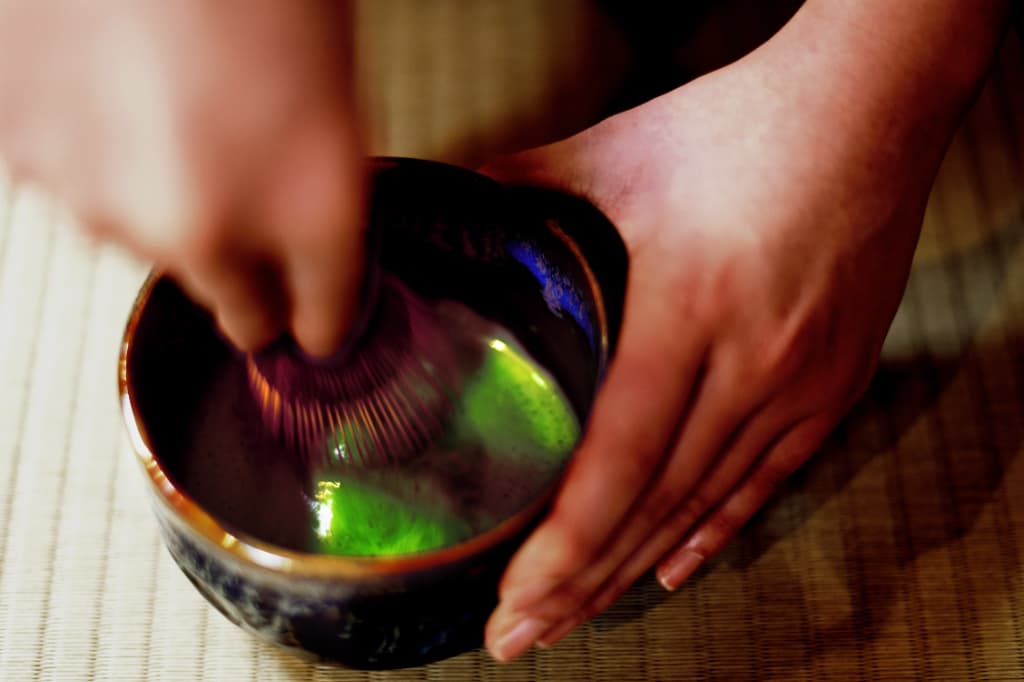
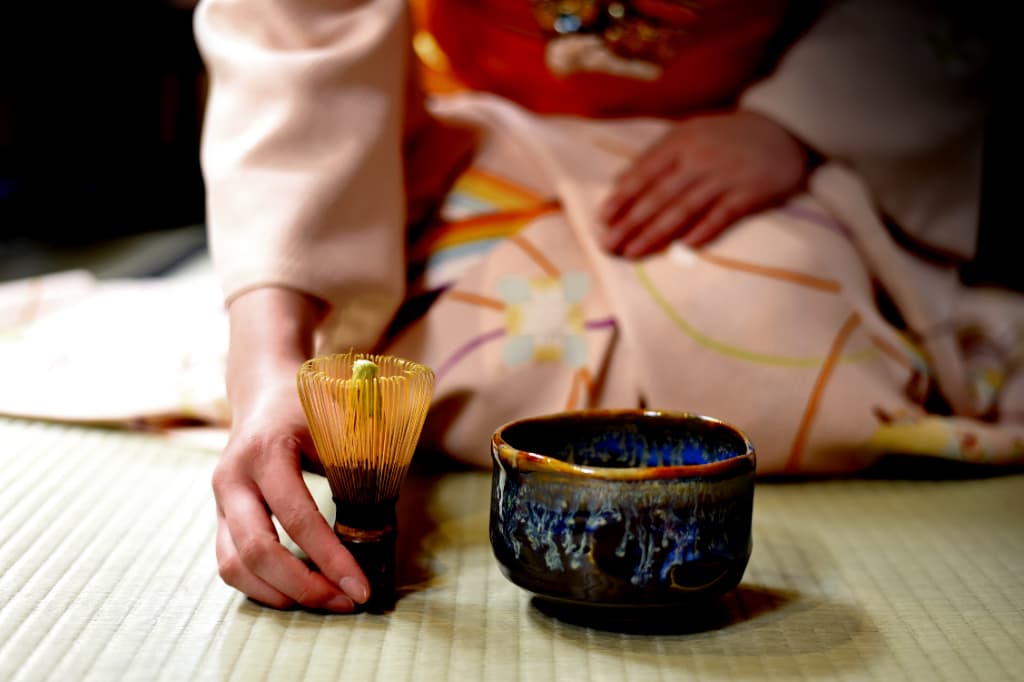
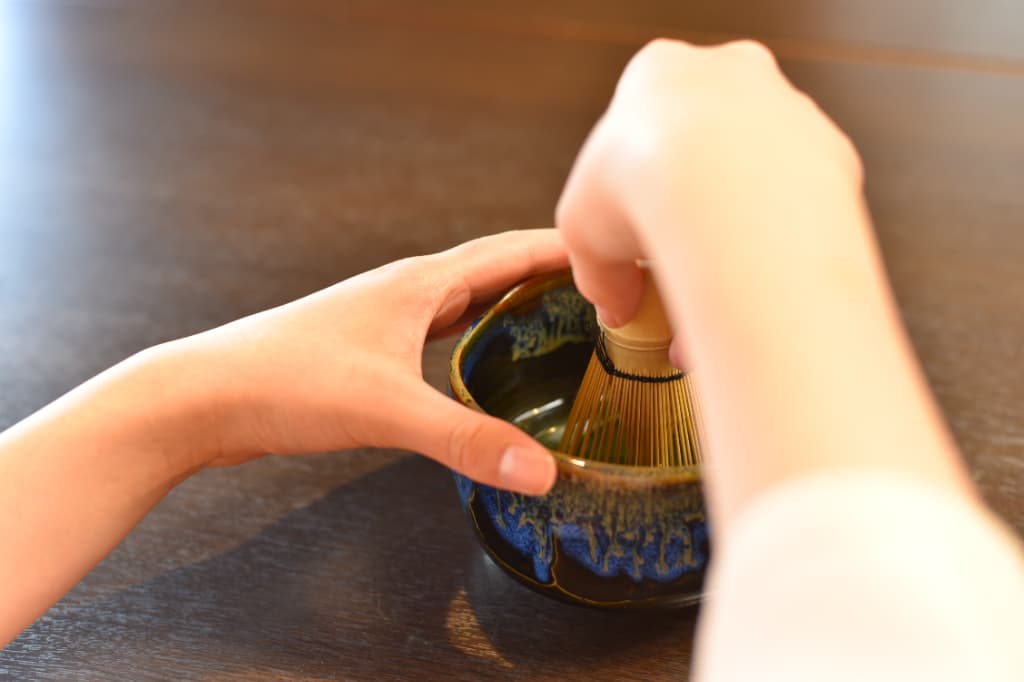
✔ Preparing and Enjoying Matcha The ceremonial preparation of matcha is simple, graceful, and entirely approachable. It is a practice in serenity, tranquility expressed in form, to be experienced gently and with calm.
Furthermore,
<Exclusive to This Program>
Before taking the course——
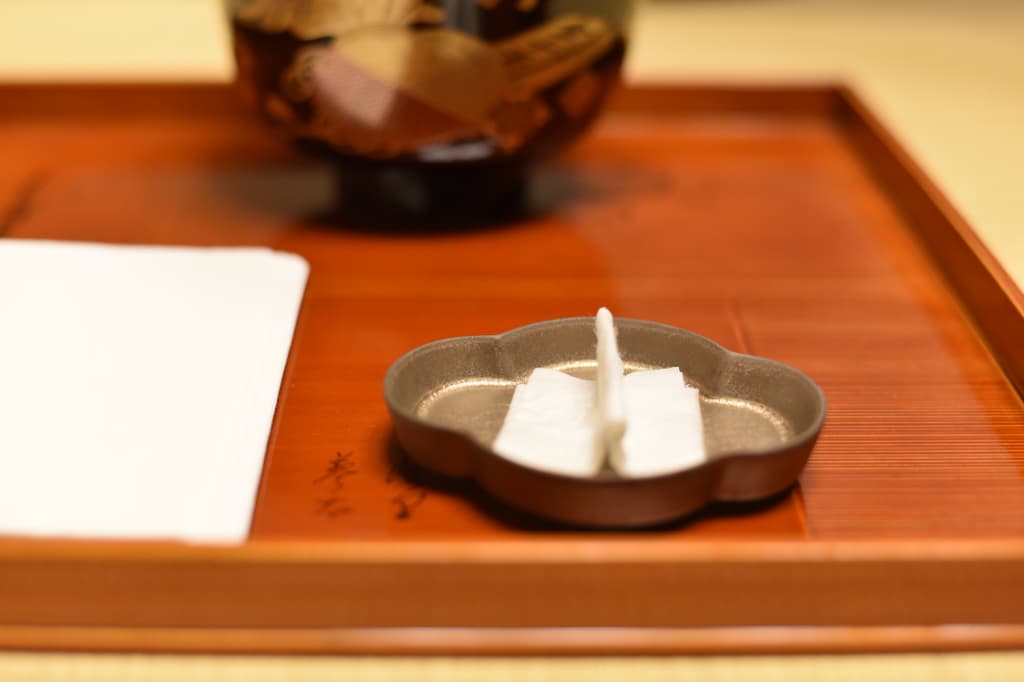
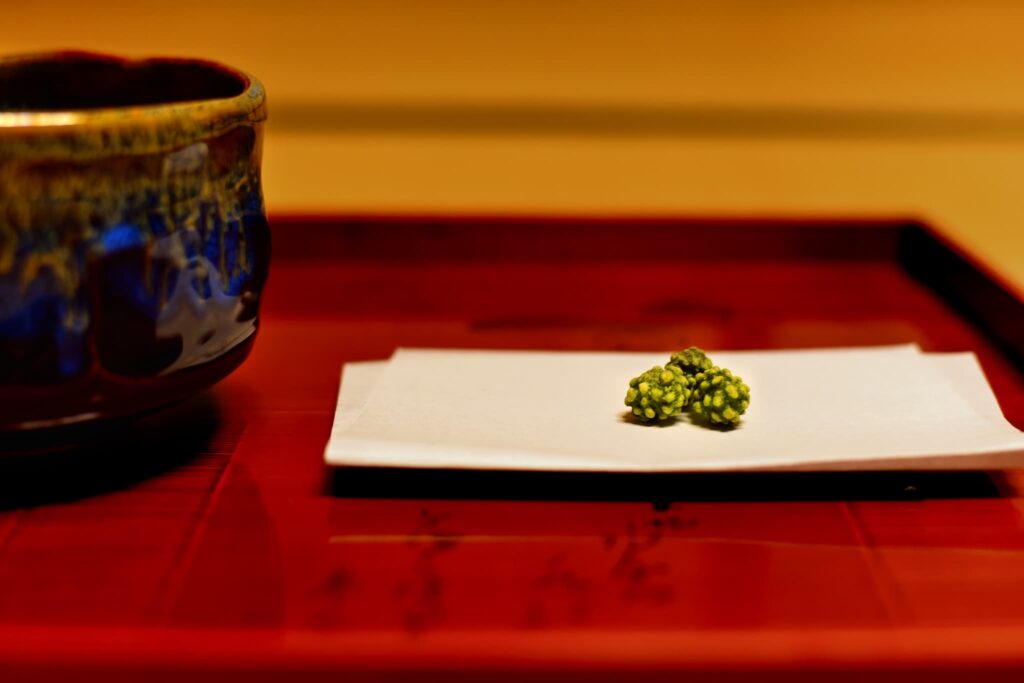
Matcha Tasting (with a confection) 15 minutes before the lesson, you will savor a leisurely, relaxing cup of matcha, appreciating the gentle, soothing aroma that preludes the subtle distinctions that comprise the luxurious flavor profile of the highest grade of matcha and set it apart from all other beverages – its unique umami (a rich savory depth), enhanced by a tender sweetness which balances a fleeting hint of delicate bitterness, all of which unify to create a pleasant, lasting smoothness that lingers enticingly on the palate.
<Gifts to Take Home>
■ Original Shiori Bookmark (not for Sale)
In Japan, a shiori is more than just a bookmark. It traces its roots to the ancient guideposts called michishirube, which were placed along a path or road as a quiet indication of the way.
■ Kaishi Paper
Small sheets of paper customarily used in tea gatherings and other ceremonies, they are a traditional expression of consideration and esteem.
■ Original Textbook of Manners and Etiquette
A booklet entitled “Elegant Movements in Just Three Seconds” that you can review at home.
What You Will Gain
Participants often say: “I didn’t realize how much I was missing.”
Etiquette has the quiet power to elevate your presence – how you carry yourself, how you communicate, and how others feel in your company.
☑ A more graceful posture ☑ Movements that naturally convey respect ☑ A gentle sense of tranquility in everyday life
This is a once-in-a-lifetime experience you can't get from travel.
This is not merely a class. It is a once-in-a-lifetime encounter with the spirit of Kyoto.
Feel the breath of Kyoto, the thousand-year capital – right here at JACCC. The quiet, the elegance, the dignified air – each will settle into you as part of this extraordinary experience.
On this day, you will not be simply a participant. You will become someone who carries the culture of Kyoto forward.
Completed all the programs at JACCC (Japanese American Cultural & Community Center), Los Angeles
The event was held from February 7 to 15, 2026.
The Kyoto Gion Sakuho Lecture has successfully completed all its days.
Many of you participated in the event,
It was a time to experience Kyoto's etiquette with one's own body.


Local Reaction
Participants said.
Not only has my view of Japanese culture changed, but my own mindset has changed as well."
I am grateful that not only the adults but also the children were able to experience valuable aspects of Japanese culture that they would not have had the opportunity to experience in the U.S."
I hope it will be held again, and that you will let me know when you are in Kyoto again."
We received a number of comments such as
In addition, there are people who are studying tea ceremony in Los Angeles, flower arrangement teachers, third generation people, etc.
Some people familiar with Japan came and were impressed.
Not just a cultural introduction,
It was an opportunity to be convinced of the potential of manners as an experiential cultural program.
The event was also featured on the social networking service of the Consulate General of Japan in Los Angeles.

gratitude
We would like to thank everyone who cooperated in organizing this event,
And to everyone in Los Angeles for the warm welcome.
We thank you from the bottom of our hearts.
To Our Business Partners
This course is not a one-off event,
We plan to develop this project as a continuation of our efforts to bring the cultural etiquette and manners to Japan and the world.
For future events in Los Angeles and other major U.S. cities,
We are looking for partnerships with companies that aspire to share cultural values.
Cultural Support Sponsor
Co-sponsors
Luxury Brand Collaboration
Planning in conjunction with educational institutions
For efforts to bring Japanese manners and etiquette to the world
Interested companies are encouraged to contact us.
▶︎ For inquiries, please contactthis way (direction close to the speaker or towards the speaker)